Digital vs. Physical Disposable Camera — What Does It Really Cost?
The real disposable camera price and cost — cameras, developing, and scanning for a wedding with 10 tables, compared with a digital disposable camera app. An honest breakdown with approximate 2026 prices.
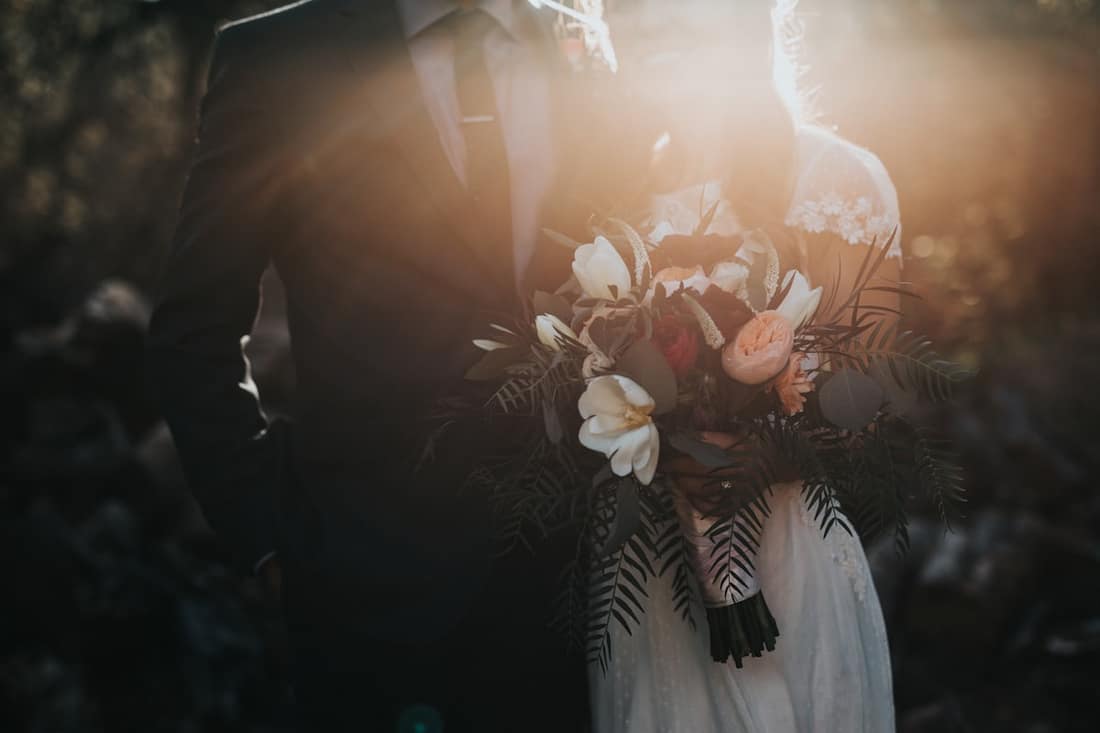
Disposable cameras on the tables is one of the most loved wedding ideas there is. Guests get it instantly, no instructions needed, and the thought of a stack of developed prints feels warm and analog in a way a cloud link never will.
But before you order ten cameras, it is worth running the numbers on what the idea actually costs — in money, in waiting, and in lost shots. Here is the honest math for a Swedish wedding with 10 tables, set against the digital alternative. All figures are approximate 2026 prices and vary between shops and labs, but the order of magnitude holds.
The math: 10 tables, 10 cameras
The plan is simple: one physical single-use camera per table, guests snap away all evening, and afterwards you drop the rolls off for developing.
Here is what that looks like in numbers:
- The camera: a physical disposable camera costs roughly 150–250 SEK apiece. Film prices have climbed sharply in recent years, and single-use cameras have climbed with them. Ten tables means ten cameras: about 1,500–2,500 SEK before anyone has taken a single picture.
- Developing and scanning: every roll needs developing, and if you want to share the photos digitally (you do), it needs scanning too. Budget around 150–250 SEK per roll. Ten rolls: another 1,500–2,500 SEK or so.
- Total: a 10-table wedding lands around 2,500–4,000 SEK — often more if you opt for high-resolution scans or paper prints.
And that is the price when everything goes right. It rarely does.
The hidden costs
The kronor are only half the story. What makes the math truly expensive is everything you pay for but never receive.
Dark venues eat your shots
A physical disposable camera has fixed focus, a fixed shutter speed, and film that needs light. Wedding receptions happen in dim rooms, at night, by candlelight. The flash reaches about three meters. The result: a large share of the frames on every roll come back dark, blurry, or both. You pay for developing the failures too — the lab charges the same for a black frame as for a perfect one.
Cameras disappear
Ask anyone who has put disposables on their wedding tables: at least one camera is never seen again. It rides home in a jacket pocket, gets left in a taxi, or is tidied away by venue staff. Every lost camera is an entire roll of moments — gone, along with the money you paid for it.
You wait for weeks
The rolls need collecting, dropping off, and developing. Labs have queues, especially in wedding season. Expect two to four weeks before you see a single photo — and then everything still has to be scanned, sorted, and shared with the guests by hand. The energy of the party has long since faded by the time the album exists.
Only the people at the tables are in
Ten cameras cover ten tables. The friend who lived on the dance floor, the cousin who mostly held up the bar, every moment that happened anywhere other than at a table — none of it lands on any roll. And film, by definition, captures no video and no voices.
The digital side of the ledger
A digital disposable camera like Flash keeps the core idea — a limited number of shots, no preview, one shared reveal — but moves it onto the phone every guest already carries.
Here is how the numbers change:
- The cost: Flash is free for smaller events. For bigger ones, like a wedding, the host pays a one-time price per event — not per guest, not per photo, no subscription. Either way you land far below what ten physical cameras plus developing would cost.
- The wait: when the party ends, the host taps Reveal and the entire album develops at once, instantly. No weeks, no lab queue, no scanning.
- The waste: phone cameras handle darkness far better than fixed focus and a weak flash ever will. And an app cannot be left in a taxi — every shot is safely in the album the second it is taken.
- Who gets to join: every guest joins with a QR code, not just whoever happens to sit near a camera. Each guest gets their own shots, wherever the evening takes them.
- More than stills: alongside photos there are video clips and voice notes — the speeches, the laughter, the room itself. No roll of film can give you that.
Side by side
| Physical disposable camera (10 tables) | Digital disposable camera | |
|---|---|---|
| Cost (approximate 2026 prices) | Around 2,500–4,000 SEK | Free for small events, one-time price for bigger ones |
| Time to photos | 2–4 weeks | Instant at the reveal |
| Lost cameras & wasted frames | Common — dark shots, vanished cameras | Nothing to lose; saved instantly |
| Who can join | Whoever sits at a table with a camera | Every guest, via QR code |
| Video & voice notes | No | Yes |
| Where the photos end up | With whoever develops them; shared by hand | In one shared album for everyone |
What the physical camera still does best
In fairness: there are things an app cannot replace.
A physical disposable camera is an object. It sits on the table and invites you — pick it up, wind it, click. That tactile click and crank has a charm no screen will ever have. Real film also carries genuine grain and color rendering that filters only imitate; for analog lovers, the imperfection is precisely the point. And for some guests it is liberating to shoot with something that is not a phone.
If those things weigh heaviest for you — and the budget can take it — the physical camera is still a beautiful choice. Plenty of couples go hybrid, in fact: one or two physical cameras for the charm, and a digital disposable camera to catch the whole party.
The verdict
The math is hard to argue with. Ten physical disposable cameras run around 2,500–4,000 SEK at approximate 2026 prices, deliver the photos weeks later, and a meaningful share of what you pay for comes back as dark frames or vanished cameras. The digital version costs a fraction of that, develops instantly at the reveal, and lets every single guest in — with video and voice notes thrown in.
The charm of film is real. But if the goal is to actually get every moment from your party, at a price that does not sting, the digital disposable camera wins this comparison comfortably.
Planning a wedding? Read our guide to the disposable camera for weddings, or see how Flash works — small events are free.
Ready to hand your night to your guests? Small events are free.
Get Flash